Pain is both symptom and signal. It guides professional concerns, forms patient trust fund, and, when taken care of badly, undermines outcomes long after discharge. For registered nurses, that rest at the bedside and see the arc of a patient's day in min detail, discomfort monitoring is not a solitary ability. It is evaluation plus scientific reasoning, pharmacology plus communication, and a consistent hand throughout emergency situations. Excellent training transforms scattered knowledge into reflexes you can utilize on a night shift without any pharmacist on website and a registrar locked up in theatre.
This is a sensible take a look at just how to construct confidence and capability through pain monitoring training for registered nurses, consisting of just how to choose a pain management training course, where short training courses in pain management fit, and what a trustworthy pain management qualification includes in your method. I will also touch on the PUAEme008 requirement, which lots of emergency situation and prehospital programs referral when they educate exactly how to offer discomfort monitoring in time-critical settings.
Why nurses feel the weight of pain decisions
A nurse commonly notices discomfort first. The refined protectiveness of an arm or leg. The grimace when moving from supine to seated. The patient that claims six out of 10 yet can not rest or eat. You are likewise the individual who provides analgesia, evaluates action, and guards the following dosage when the very first one misses out on. On a ward with combined acuity, you may triage three pain troubles within 10 mins: badly controlled post-op discomfort, a flare of sickle cell vaso-occlusive situation, and an intricate older grown-up with delirium and thought hip crack. Each needs a various lens, and none can wait on a textbook.
Training that mixes analysis techniques with decision frameworks conserves time and minimizes danger. The distinction between giving 2 Visit this page mg IV morphine currently or trying non-pharmacological steps initially is not an intestine call. It rests on discomfort type, comorbidities, sedation risk, and the setting's escalation pathways. A durable pain management program makes those judgments easier.
The foundation: pain physiology and the language of pain
Competent practice begins with understanding nociception, modulation, and understanding. Nurses do not require a PhD in neurobiology, however they do require to acknowledge the signals that drive therapy choices. In technique, that implies mapping pain types to treatments:
- Nociceptive pain arises from cells injury. Think post-surgical lacerations, fractures, or inflammatory states. It normally replies to NSAIDs, acetaminophen, and opioids, with regional anesthetic as an adjunct. Neuropathic discomfort originates from nerve injury or disorder. Descriptors consist of burning, shooting, or electrical feelings, and the feedback to opioids is commonly insufficient. Gabapentinoids, tricyclics, SNRIs, and topical agents lug even more weight here. Mixed pain turns up regularly than books confess. An individual with a back injury might have inflammatory, neuropathic, and spasm elements. Multimodal therapy functions far better than pressing any type of solitary class.
When registered nurses see these patterns, they can support for the best combinations and stay clear of chasing after dosage accelerations that only include negative effects. Excellent discomfort administration training for registered nurses educates this translation from descriptors to drug courses and from person context to risk mitigation.
A frank word concerning assessment scales
Numeric rating ranges work, yet they are not the entire tale. Some people underreport discomfort due to the fact that they do not wish to be seen as complaining. Others overreport to obtain fast relief or as a result of anxiousness. Pediatric and cognitively damaged people count on empirical tools. The work is to gauge consistently and triangulate with habits and function.
In progressed training, you find out to match a score with an objective. A palliative person might accept a degree 3 if it permits conversation and time with family, while an orthopedic individual needs a degree reduced sufficient to join physiotherapy. Scales for sedation and breathing status requirement equal interest when opioids remain in play. A pain management certification program that highlights incorporated assessment over numbers alone will certainly offer you better than one that deals with ranges as an endpoint.
Pharmacology without the fog
The pharmacology segment of pain monitoring courses must be unapologetically sensible. Registered nurses require to understand onset, height, and period for typical routes, the crucial contraindications, and just how to stack techniques without producing damage. A structured, unforgettable strategy helps:
- Acetaminophen sits at the base for several programs. It lowers opioid requirement by a measurable margin, especially in scheduled dosing. View advancing dosage in combination products. NSAIDs make their area for bone and joint and inflammatory discomfort. Consider intestinal risk, renal feature, and bleeding. In the perioperative setting, timing matters. Opioids have a role, and respecting that function implies making use of the tiniest effective dosage, anticipating side effects, and having a discouraging plan when discomfort trajectory improves. Adjuvants such as gabapentin, duloxetine, ketamine in low dosage, and topical lidocaine can change outcomes when neuropathic or refractory parts dominate. Training must include when to suggest these and what monitoring is required.
For registered nurses in emergency situation or prehospital atmospheres, a module lined up to PUAEme008 offer discomfort management focuses on quick analgesia with tight safety controls. This conventional highlights scene safety, individual assessment, indicators and contraindications, and the capability to check with pulse oximetry and support air flow when needed. Even if you operate in a healthcare facility, the emergency pain management mindset taught in puaeme008 provide discomfort administration assists when you need to act prior to a medical police officer arrives.
Non-pharmacological actions that in fact help
Ice minimizes swelling. Heat loosens muscular tissue convulsion. Positioning changes nerve tension and pressure points. Assisted breathing and quick leisure drills reduced thoughtful activation so opioids work better and with less doses. In my experience, a two-minute trained breathing cycle or a very carefully positioned cushion can cut two factors off a discomfort rating. That suffices to prevent a 2nd opioid dosage that would certainly tip a sickly patient right into oversedation.
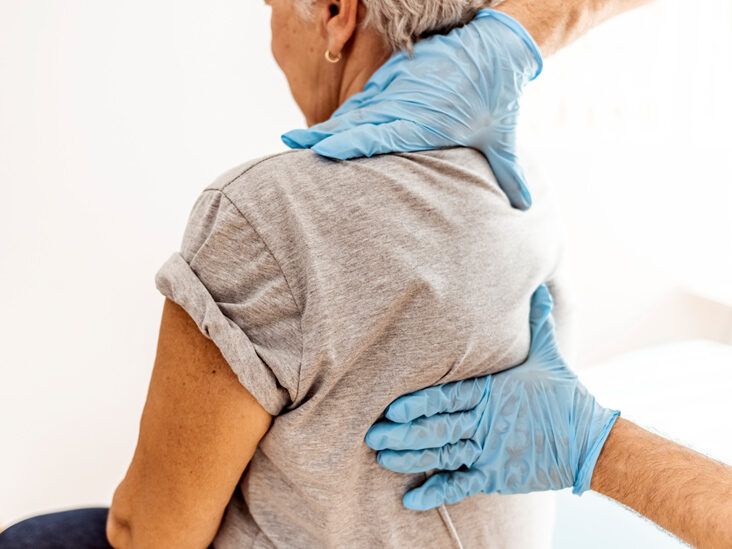
Effective discomfort management training courses do not treat these as afterthoughts. They integrate them right into treatment plans, demonstrate how to document them, and gauge their impact alongside medications.
Communication as intervention
Two discussions transform end results greater than the majority of recognize. First, established assumptions: describe that the objective is bearable, useful discomfort, not a pain score of absolutely no. Individuals that anticipate tingling request for rising doses and collision right into adverse effects. Second, review timing: take set up non-opioids prior to physiotherapy or injury care, and make use of rapid-onset agents to bridge certain activities. Nurses educated to frame these messages see less unscheduled phone calls and even more involved patients.
In pediatric wards or with people with restricted English, useful interaction tools issue. A picture-based discomfort range or a simple interpreter combination can close spaces fast. An excellent pain monitoring course for nurses ought to model these devices, not just listing them.
Structured pathways, safer decisions
Confidence develops when you have a layout that covers 80 percent of cases and flags the 20 percent that require expert input. That is where brief programs in pain management can help, specifically those that include scenario-based drills. The most effective programs mix common situations with edge cases: the patient on buprenorphine for opioid use condition, the renal client with severe gout pain, the melt client where titration is minute-to-minute. You discover to stop and ask the inquiries that transform the plan, like existing opioid tolerance, QTc dangers with methadone, or alertness degree for oral agents.
Certification brings an exterior benchmark. A discomfort monitoring qualification program that consists of monitored technique and situation logs aids equate knowledge into reflexes. For registered nurses in blended roles, take into consideration a certification program suffering monitoring that offers elective modules by specialized: perioperative, oncology, aged care, or pediatric.
What to search for in a pain monitoring course
The market has actually expanded, and not every offering justifies your time or tuition. A strong program for discomfort administration training for nurses usually consists of:
- Case-based knowing with practical parameters, where you select among imperfect choices and defend your reasoning. Skills exercise that surpasses concept: PCA arrangement and troubleshooting, capnography fundamentals, naloxone protocols, regional block tracking in systems where anesthesia partners with nursing. Assessment of negative results and acceleration: recognizing early breathing depression, taking care of pruritus or urinary retention, and adjusting plans safely. Interdisciplinary input. You want viewpoints from medication, pharmacy, physiotherapy, and psychology. Verification. A pain administration accreditation released by an acknowledged body, or placement to criteria such as PUAEme008 in emergency situation pain management or nationwide opioid safety guidelines.
If you want speed, there are great discomfort administration training courses that run as weekend break intensives. These brief courses hurting administration can work if they include simulation and follow-up mentoring. Continue reading If you need official credentialing for occupation progression, try to find a discomfort monitoring certificate program with graded analyses and proctored tests. Some registered nurses go with a discomfort management certification training course that piles into postgraduate credit.
Building a clinically valuable toolkit
On the ward, I carry greater than methods in my head. I keep quick-access references for opioid conversions, renal dosing, and complements for neuropathic discomfort. Pain monitoring courses for nurses need to aid you assemble this toolkit. At minimum, include:

- A one-page titration guide for usual opioids with beginning and peak times by route. A checklist for PCA safety and troubleshooting. A table of non-pharmacological techniques mapped to conditions, so you can message the health care aide or member of the family who is eager to assist but requires direction. Monitoring thresholds that trigger rise, including respiratory system rate, sedation scores, oxygen saturation, and capnography if available.
Another underused tool is the functional goal note. Recording "able to sit in chair for thirty minutes by twelve noon" or "walk 20 meters with physical rehabilitation at 3 pm" anchors the plan. It changes discussions from chasing numbers to building capability.
Special populaces and the traps they set
Pain rarely takes a trip alone. Comorbidities, age, and social elements alter the threat profile and the appropriate choices. Nurses gain from targeted components in pain administration training courses for physio therapists and various other allied experts because you discover just how motion, splinting, or rated activity complements analgesia. Three groups are worthy of additional attention.
Older grownups. Pharmacokinetics change, therefore do threats. Sedatives accumulate, irregular bowel movements worsens swiftly, and anticholinergic adverse effects enhance complication. For sickly clients, you commonly win extra by making best use of acetaminophen, making use of topical agents, and selecting short-acting opioids in small doses with close reassessment. Silent areas and daytime exposure decrease agitation and regarded discomfort. Training must stress delirium avoidance along with analgesia.
People with opioid tolerance or opioid usage problem. Standard requirements may be greater, and withdrawal turns up as pain if you are not ready. Coordinate with prescribers to continue upkeep treatment like buprenorphine or methadone while dealing with acute pain. Split dosing and multimodal adjuncts are your friends. A program that covers this territory will give you manuscripts for tough discussions and secure order sets to suggest.
Renal and hepatic disability. Gabapentin accumulates swiftly with low eGFR, NSAIDs can tip kidneys over, and morphine's metabolites remain. Nurses that comprehend these trade-offs catch mismatches very early and prompt secure replacements, like fentanyl for extreme kidney disability or topical NSAIDs when systemic threats are high.
Emergencies, rate, and safety
Emergency discomfort monitoring compresses time. The patient with a disjointed shoulder does not require a philosophical argument. They require fast, suitably dosed analgesia and a strategy to support respiration if sedation is made use of. Educating aligned to PUAEme008 provide discomfort management concentrates on the equilibrium between fast alleviation and organized tracking. Key elements consist of scene size-up, air passage and breathing analysis, clear contraindications, and acceleration triggers. Nurses that finish a program secured in puaeme008 report much better convenience with intranasal fentanyl for kids, titrated IV opioids for serious injury, and the discipline to reassess within a few minutes rather than drifting to the next task.
In crowded emergency situation divisions, the little routines matter. Prepare naloxone prior to you need it. Place capnography when you anticipate intensifying dosages. Prime non-pharmacological accessories such as immobilization or splinting before the second dosage goes across the line from valuable to dangerous. These are teachable steps, and the right discomfort administration training makes them automatic.
Documentation that shields people and professionals
Clear, succinct notes pay dividends. Document standard discomfort with context, not just numbers. Note functional goals, treatments attempted, timing of each, and the patient's action. When you make use of opioids, record respiratory and sedation scores at defined intervals. When you choose not to intensify, state why. A program that drills this design of paperwork enhances handover high quality and minimizes missed cues. It additionally matters medicolegally, which nobody enjoys going over, however everybody is eased they thought about when a situation is reviewed.
Measuring progression and sustaining skills
A one-off program starts the journey, yet expertise fades without usage. Numerous groups embrace brief skills refreshers at the beginning of shifts or throughout safety and security huddles. 5 minutes to evaluate the PCA safety and security checklist or to review a situation of neuropathic flare keeps understanding to life. Combine new nurses with a pain champ on the unit for the first three months. Welcome physio therapists to your in-services and attend their own. Cross-pollination helps.
If your organization tracks metrics, promote a bundle that matters: time to very first analgesic in moderate to severe pain, percent of individuals with documented practical objectives, price of opioid-related negative occasions, and patient-reported end results on sleep or wheelchair. Commemorate renovations and go into misses. Discomfort management training programs that include top quality improvement approaches outfit registered nurses to lead these efforts.
Choosing between training course formats
Not every person needs the same course. If you are new to intense treatment, begin with a fundamental pain administration training course that covers physiology, assessment, core pharmacology, and non-pharmacological techniques. Include an emergency situation component if your unit obtains unpredictable individuals. Nurses in rehab or community settings may prefer pain monitoring training courses for physio therapists as a complement, because activity method and pacing control outcomes there.
Mid-career nurses typically benefit from a pain monitoring qualification that validates sophisticated practice. Seek programs that offer a discomfort management certification with a robust test and case profile. If time is limited, short programs in pain management can fill targeted gaps, such as neuropathic pain or pediatric analgesia. Keep an eye on whether the provider supplies a laddered method: stack two or 3 modules, then sit for a discomfort management qualification course that credits your previous learning.
For educators and unit leaders, develop an internal curriculum that maps to your patient population. For medical wards, stress PCA administration, regional analgesia monitoring, and very early mobilization. For oncology, highlight mucositis, bone metastases, and neuropathic disorders. For emergency situation, integrate PUAEme008 components to make certain safe, rapid response. Partner with pharmacy to review high-risk combinations quarterly.
When a certification transforms the job
Some hospitals currently favor or need a discomfort management certificate for registered nurses in roles such as acute pain service liaison or pre-op center lead. The payback is more than a line on a CURRICULUM VITAE. Qualified registered nurses have a tendency to serve as reliable consults on intricate cases, compose far better care strategies, and minimize unneeded opioid rise. They likewise advisor colleagues more effectively, due to the fact that they have language and frameworks that translate well during active shifts. If your goals include leadership or professional method, a formal discomfort management certification is worth the effort.
Bringing it back to the bedside
A last tale, since the bedside is where training shows itself. A middle-aged man after stomach surgery rated his discomfort at 8. He had actually received morphine twice with little alleviation and increasing queasiness. The registered nurse working paused, reassessed, and discovered a dermatomal, burning quality around the incision with allodynia to light touch. She asked the group to add a low-dose ketamine mixture for 12 hours, set up acetaminophen, and a topical lidocaine spot adjacent to the cut once the clothing permitted. Within 90 minutes, the pain fell to 4, nausea or vomiting worked out, and he walked with physiotherapy the next morning. That registered nurse had actually finished a certification course suffering administration 2 months previously. The strategy she proposed originated from a situation in that program virtually line for line.
Confidence grows when your concepts function. Skills expands when you duplicate those wins throughout various patients and share them with colleagues. Thoughtful pain monitoring training for registered nurses, whether through structured discomfort monitoring training programs, targeted brief programs, or a thorough pain administration qualification, offers you both. The person feels it in the initial dose that strikes the mark, the team feels it in less dilemmas, and you feel it when your hand stops floating over the call bell due to the fact that you already understand the following right step.